PCOS treatment in Dormagen
PCOS — polycystic ovary syndrome — is more common than many think and affects not only the cycle but often the metabolism as well. We take your situation seriously, frame findings calmly, and build a treatment plan with you that fits your life.
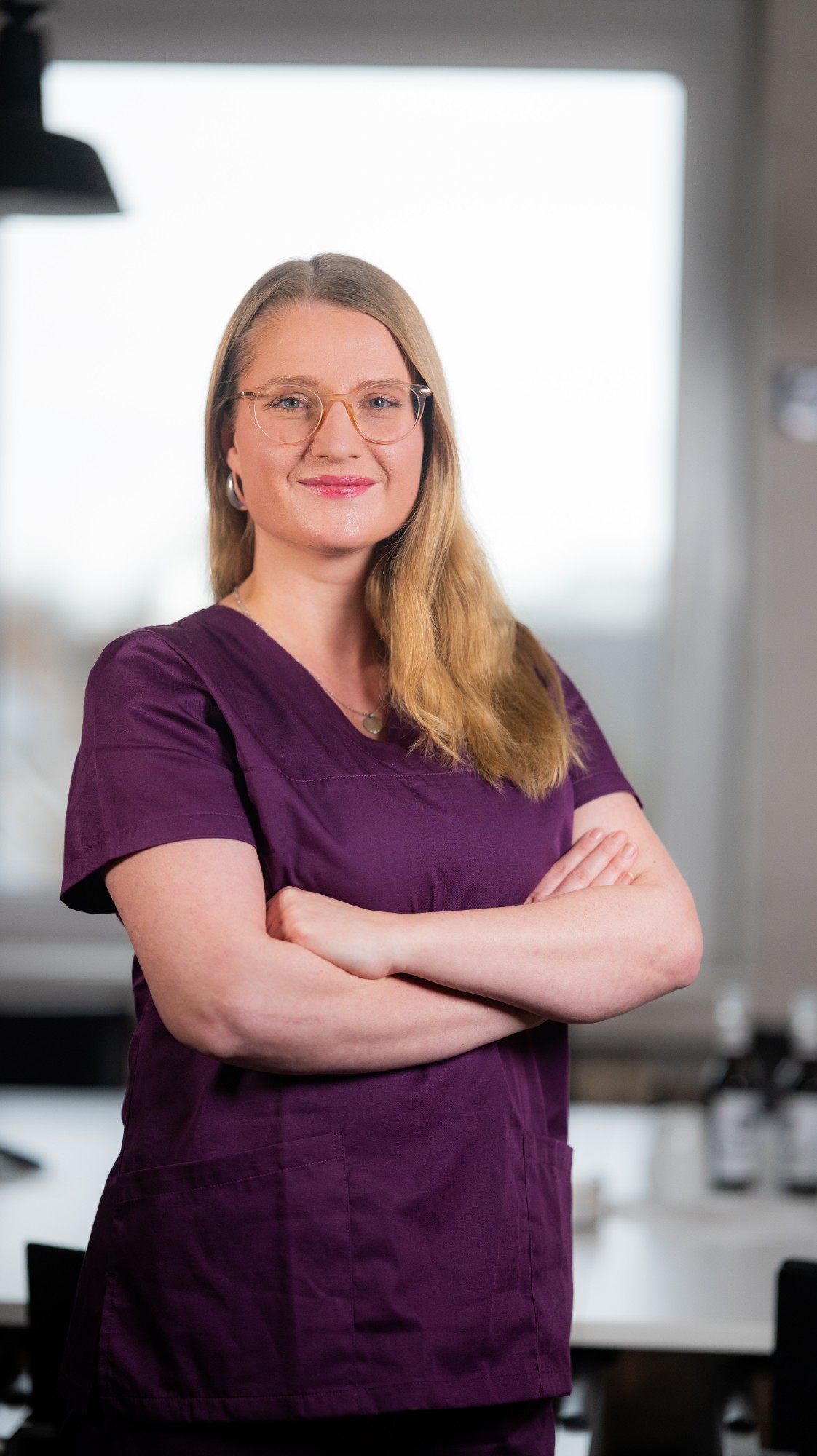
PCOS affects not only the cycle and hormones, but often the metabolism as well. So along with cycle complaints or fertility questions, we also look at possible metabolic factors. PCOS is a focus area of our work — we work in a structured way, explain findings clearly, and build a treatment plan with you.
Taking PCOS symptoms seriously – even when they look ambiguous
Many women walk around for years with a gut feeling that "something is off": the cycle keeps disappearing, pregnancy does not happen, complaints get framed differently from one appointment to the next. What stays behind is the feeling of not being heard.
Our PCOS care starts by taking your observations seriously. PCOS is not a single finding but a pattern of symptoms, hormone values and ultrasound signs. We look at the whole picture and map it out with you – without belittling and without drama.
What PCOS treatment with Elisa Mahlberg looks like
We work along the Rotterdam criteria and a structured pathway:
- Detailed history. Cycle since menarche, the symptom picture, prior conditions, family history, medication, prior findings, fertility plans.
- Exam and ultrasound. Uterus, ovaries (antral follicle count, ovarian volume), endometrium, signs of polycystic change.
- Targeted diagnostics. Which hormone values and metabolic parameters make sense depends on your situation and the specific question. We discuss this individually and decide together which workup makes sense in the individual case.
- Interpretation and plan. We discuss the findings calmly and build a plan: lifestyle, cycle regulation, prevention of metabolic risks, and fertility stimulation if needed.
PCOS diagnosis, medical therapy and fertility stimulation
The PCOS diagnosis is based on the Rotterdam criteria: two of three findings – irregular cycles/anovulation, clinical or lab hyperandrogenism, and polycystic ovaries on ultrasound – with other causes excluded beforehand. From diagnosis we build a treatment plan:
- Cycle regulation and endometrial protection: progestin schedules, combined pills, hormonal IUD – depending on age, fertility plans and tolerability.
- Metabolic perspective: we look at possible metabolic factors such as insulin resistance and discuss which measures — from lifestyle to medication — make sense in your situation. Whether a medication such as metformin is appropriate depends on the individual case.
- Fertility with PCOS: we offer medical stimulation protocols with follicle monitoring. Which medication fits in your case, we discuss in person. For many patients this leads to pregnancy without needing further reproductive medicine.
For young patients especially, careful framing matters. Cycle irregularities during puberty and adolescence can initially be normal. A PCOS diagnosis should therefore not be made prematurely — we hold back until the picture is genuinely clear.
Our scope: Elisa Mahlberg is a consultant in gynecology and obstetrics, not an endocrinologist. When the focus lies outside gynecology (complex metabolic or adrenal questions) we refer to an endocrinology practice and work with their findings. See also our hormone consultation.
PCOS is not a verdict. It is a pattern you can understand – and one you can live with much better when someone sorts it with you.
When is a PCOS check at the gynecologist worthwhile?
An appointment makes sense with signs such as:
- cycles consistently longer than 35 days or fewer than 8 periods per year,
- noticeably short intervals between cycles,
- fertility questions with an irregular cycle,
- a family history of PCOS or type-2 diabetes,
- known or suspected metabolic topics such as insulin resistance.
Even a "gut suspicion" is worth an appointment. The earlier PCOS is recognized and accompanied individually, the easier it is to prevent downstream risks (metabolic, endometrial).
Frequently asked questions about PCOS treatment
Ready to schedule an appointment?
Book online around the clock or give us a call – we are here for you.
How to find us.
Practice address
41539 Dormagen
Opening hours
Our opening hours| Monday | 08:30 – 14:00 |
| Tuesday | 08:30 – 13:00 | 14:30 – 17:30 |
| Wednesday | 08:30 – 13:00 |
| Thursday | 08:30 – 13:00 | 14:30 – 17:30 |
| Friday | 08:30 – 14:00 |
| Video consultation | Mon 8:00–10:00 pm |
How to find us
Easily reachable by car and public transport. Large free public car park at Schützenplatz, a few minutes on foot.
Contact & directions page